
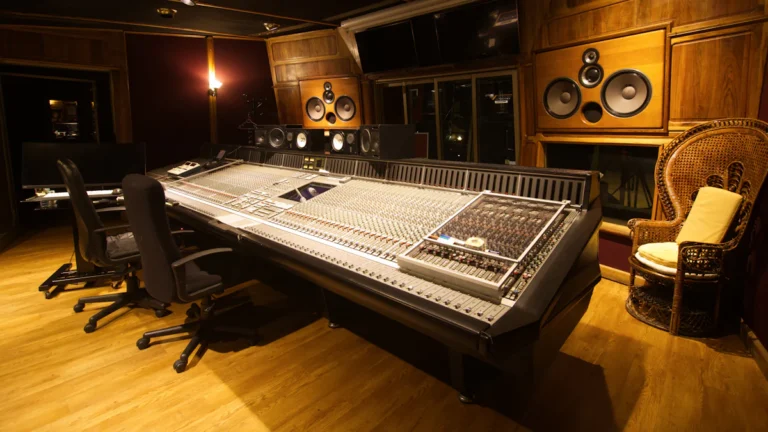

Imagine achieving crystal-clear sound that reaches every corner of your venue. Dual 10 line array plans make this possible. These setups use tall line arrays to ensure sound travels efficiently, with only a 3 dB drop per doubled distance. This means your audience experiences consistent audio quality, no matter where they stand. Optimal sound isn’t just a luxury; it’s essential for engaging performances and events. By mastering these plans, you can transform any space into an acoustic masterpiece, ensuring every note hits just right.
Understanding Line Array Systems
Basics of Line Array Technology
Definition and Functionality
Line array systems are a game-changer in the world of audio. They consist of multiple speaker units stacked vertically. This arrangement allows sound to travel in a focused direction, reducing echo and distortion. You get clear sound across large areas, making these systems perfect for big events. Imagine sound waves reaching every corner of a stadium or concert hall with precision. That’s the magic of line array systems.
Advantages over Traditional Speaker Systems
Why choose line arrays over traditional speakers? The benefits are clear. First, they provide consistent sound coverage over long distances. Traditional speakers often struggle with this. Line arrays also minimize sound loss, ensuring your audience hears every note. Plus, they offer flexibility. You can adjust individual speakers to target specific areas, creating a balanced audio experience. Whether it’s a concert, a sports event, or a worship service, line arrays deliver top-notch sound quality.
Components of a Line Array System
Drivers and Enclosures
At the heart of any line array system are the drivers and enclosures. Drivers are the individual speaker units that produce sound. They work together to create a unified audio output. Enclosures house these drivers, protecting them and enhancing sound quality. You need to choose the right combination for your venue. Consider factors like size, power, and frequency response. This ensures your system meets the specific needs of your event.
Amplifiers and Signal Processing
Amplifiers and signal processing tools are crucial for any line array setup. Amplifiers boost the audio signal, ensuring it reaches every speaker with enough power. You must match amplifiers to your speakers for optimal performance. Signal processing tools, on the other hand, help fine-tune the sound. They allow you to adjust frequencies, balance audio levels, and eliminate feedback. With the right equipment, you can achieve a seamless audio experience that captivates your audience.
Planning Your Dual 10 Line Array Setup
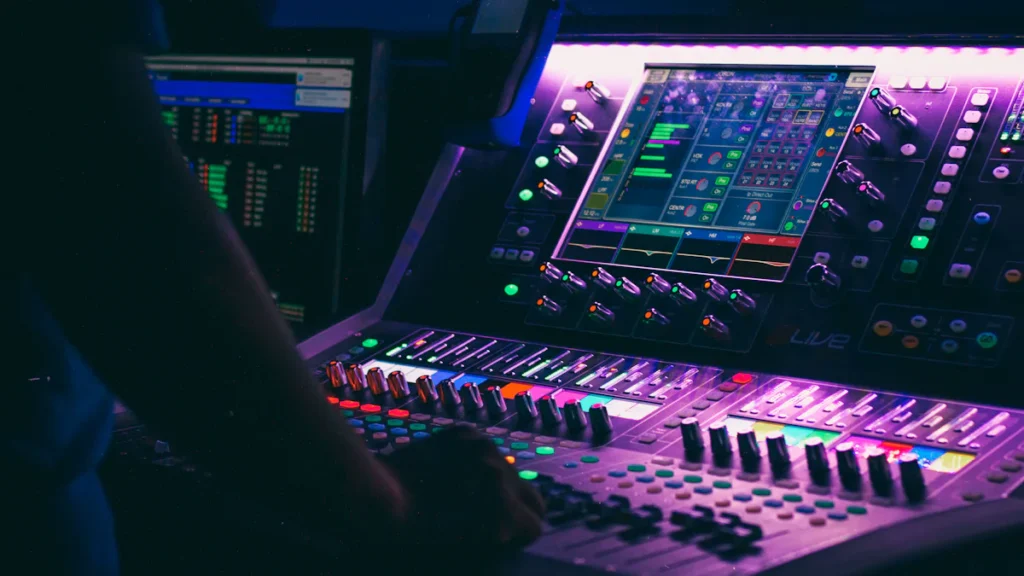
Creating an effective dual 10 line array plan requires careful consideration of your venue’s unique characteristics. Let’s dive into how you can tailor your setup for optimal sound.
Assessing Venue Requirements
Acoustic Considerations
Understanding the acoustics of your venue is crucial. You need to evaluate how sound behaves in the space. Are there hard surfaces that might cause echoes? Soft furnishings can absorb sound, affecting clarity. By identifying these factors, you can adjust your dual 10 line array plans to minimize unwanted noise and enhance sound quality.
Audience Size and Layout
Think about your audience. How many people will attend? Where will they be seated or standing? A larger crowd requires more coverage. You must ensure that your dual 10 line array plans account for both the size and layout of the audience. This ensures everyone enjoys a consistent audio experience, whether they’re at the front or back.
Designing the Array Configuration
Speaker Placement Strategies
Strategic speaker placement is key. You can angle individual cabinets within the line array to target specific areas. This flexibility allows you to provide balanced sound throughout the venue. Consider using a J-shaped pattern for your dual 10 line array plans. This configuration can help direct sound more effectively in certain spaces.
Calculating Coverage and SPL
Sound Pressure Level (SPL) is vital for ensuring your audience hears every detail. Calculate the coverage area to determine how many speakers you need. Adjust the amplitude of each speaker to maintain a consistent SPL across the venue. This precision ensures your dual 10 line array plans deliver clear and powerful sound to every listener.
By focusing on these elements, you can master your dual 10 line array plans and create an unforgettable audio experience.
Technical Specifications and Equipment Selection
Choosing the Right Speakers
Power Handling and Frequency Response
When selecting speakers for your dual 10 line array, focus on power handling and frequency response. You want speakers that can handle high power levels without distortion. This ensures clear sound even at high volumes. Frequency response is equally important. It determines how well your speakers reproduce different sound frequencies. Look for a wide range to capture both deep bass and crisp highs.
Brand and Model Recommendations
Choosing the right brand and model can make a big difference. Consider the LA Series from Sun Power International. These speakers offer a variety of models tailored to different needs. For large venues, the LA-7MAX with dual 15-inch speakers provides powerful sound projection. If you need a balanced sound for indoor and outdoor settings, the LA-6MAX might be your best bet. Each model is crafted with precision, ensuring durability and reliability.
Amplification and Processing Needs
Matching Amplifiers to Speakers
Amplifiers play a crucial role in your setup. You need to match them to your speakers for optimal performance. Consider the power requirements of your speakers and choose amplifiers that can deliver the necessary wattage. This ensures that your system operates efficiently and produces the best sound quality.
Signal Processing Tools and Techniques
Signal processing tools help you fine-tune your audio. They allow you to adjust frequencies, balance audio levels, and eliminate feedback. Use these tools to enhance your sound quality. Techniques like equalization and compression can make a significant impact. By carefully adjusting these settings, you can create a seamless audio experience that captivates your audience.
By focusing on these technical specifications and equipment choices, you can ensure your dual 10 line array setup delivers exceptional sound quality.
Installation and Setup Process
Setting up your dual 10 line array system can seem daunting, but with the right steps, you’ll have it running smoothly in no time. Let’s break it down.
Step-by-Step Installation Guide
Mounting and Rigging Techniques
First, focus on mounting and rigging. Secure your speakers properly to ensure safety and optimal sound distribution. Use sturdy brackets and mounts designed for your specific speaker model. Make sure everything is tightly fastened. This prevents any unwanted movement during performances. Adjust the angle of each speaker to target your audience effectively. Remember, the goal is to cover the entire venue evenly.
Wiring and Connectivity
Next, tackle wiring and connectivity. Connect your speakers to the amplifiers using high-quality cables. This ensures a clean signal path. Label each cable to avoid confusion during setup. Check all connections to make sure they’re secure. Loose connections can lead to sound dropouts or interference. Test each line to confirm everything is working as expected.
Calibration and Testing
Once your system is set up, it’s time to fine-tune it for the best performance.
Tuning the System for Optimal Performance
Start by tuning your system. Use a high pass filter to begin the process. Bob McCarthy suggests starting with a high pass filter at 400Hz. This helps you focus on the mid and high frequencies first. Listen carefully and make adjustments as needed. Remove the filter and tune the entire rig. This method ensures a balanced sound across all frequencies.
Troubleshooting Common Issues
Finally, address any issues that arise. Common problems include feedback, distortion, or uneven sound coverage. Check your connections and settings. Make sure your speakers and amplifiers are properly matched. Use signal processing tools to adjust frequencies and eliminate feedback. If problems persist, revisit your setup and make necessary tweaks.
By following these steps, you’ll ensure your dual 10 line array system delivers exceptional sound quality every time.
Case Studies and Real-World Applications
Exploring real-world applications of dual 10 line array plans can provide valuable insights into their effectiveness. Let’s dive into some successful implementations and the lessons learned from them.
Successful Dual 10 Line Array Implementations
Examples from Concerts and Events
You might wonder how dual 10 line array plans perform in live settings. Consider a major music festival where sound clarity is crucial. Organizers used dual 10 line arrays to ensure every attendee experienced top-notch audio quality. The arrays delivered consistent sound across vast open spaces, making sure that even those at the back enjoyed the performance as much as those near the stage.
In another instance, a large indoor conference utilized dual 10 line array plans to address the challenge of echo and sound distortion. The setup allowed speakers’ voices to reach every corner of the hall clearly, enhancing audience engagement and participation. These examples highlight the versatility and effectiveness of dual 10 line array plans in various environments.
Lessons Learned and Best Practices
From these events, several best practices emerged. First, always tailor your dual 10 line array plans to the specific venue. Each space has unique acoustic properties that can affect sound quality. Second, invest time in proper calibration and testing. This step ensures your system performs optimally, reducing the risk of technical issues during the event. Lastly, consider the audience’s experience. Position your arrays to provide balanced sound coverage, ensuring everyone enjoys the same high-quality audio.
Innovations and Future Trends
The world of audio technology constantly evolves, and dual 10 line array plans are no exception. Let’s explore some emerging trends and what the future holds.
Emerging Technologies in Line Arrays
New technologies continue to enhance dual 10 line array plans. For instance, advancements in digital signal processing allow for more precise control over sound distribution. This technology enables you to fine-tune audio settings with greater accuracy, resulting in an even better listening experience. Additionally, wireless connectivity options are becoming more prevalent, offering greater flexibility in setup and operation.
Predictions for the Audio Industry
Looking ahead, the audio industry is poised for exciting developments. You can expect dual 10 line array plans to become even more sophisticated, with improved integration of artificial intelligence for automated adjustments. This innovation will make it easier to achieve optimal sound without extensive manual intervention. Furthermore, as sustainability becomes a priority, manufacturers will likely focus on creating eco-friendly audio solutions that maintain high performance while reducing environmental impact.
By staying informed about these trends and innovations, you can ensure your dual 10 line array plans remain cutting-edge and effective for years to come.
Mastering dual 10 line array plans can transform your audio experience. You’ve learned how to achieve optimal sound by understanding line array systems, planning setups, and selecting the right equipment. Now, it’s time to apply these techniques. Dive into real-world applications and see the difference in sound quality. Remember, continuous learning and adaptation are key. Stay updated with emerging technologies and trends. By doing so, you ensure your audio setups remain top-notch. Keep experimenting and refining your skills. Your journey to mastering sound is just beginning!