
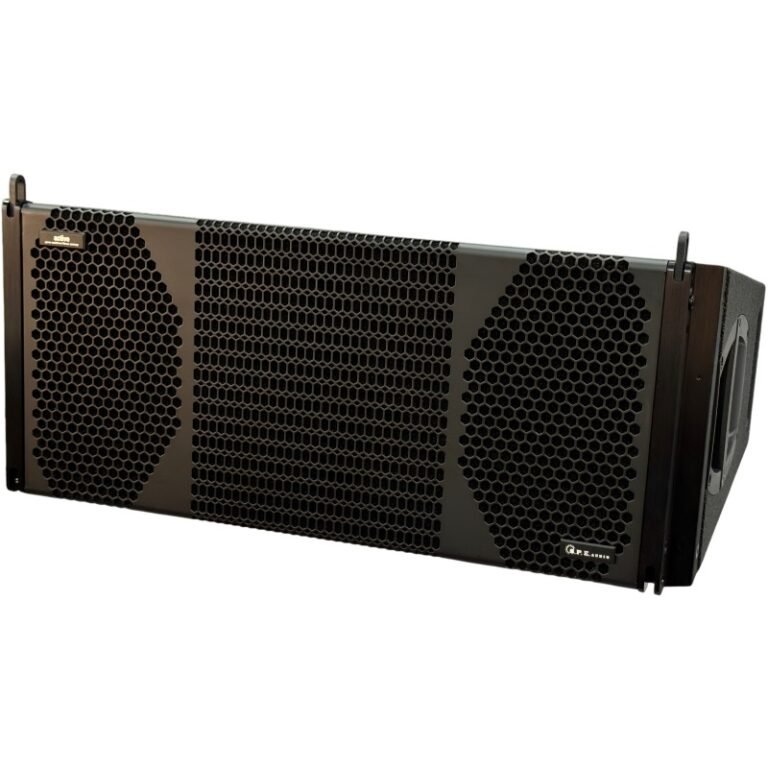
Line-array projects are judged by coverage consistency, access and repeatability, not by a single peak number. The useful question is how the proposed geometry, rigging and processing will be verified in the actual room or event. This article targets the line-array splay angle calculation for venue tender query with a commercial investigation angle for system designer / integrator. It is written for a buyer who needs a defensible decision, not a list of adjectives.
The working vocabulary is vertical coverage, splay angle, prediction software, rigging plan and audience geometry. Treat each term as a question to answer in the brief. For example, a coverage number needs a location and test condition; a mixer channel count needs an input/output schedule; a private-label promise needs a revision and approval record.
Start with the buyer’s decision
Use SPE Audio’s relevant product category as the starting catalogue context, then open the exact product page before copying a specification. The site currently lists professional amplifiers, line arrays, subwoofers, mixers, full-range speakers and entertainment systems, but the project configuration still has to be confirmed in writing.
For a line-array brief, record the audience boundary rather than only the room name. Note the nearest and farthest listening points, the height available for the array, sightline restrictions, front-fill responsibility and the access plan for inspection. Prediction software can show a useful starting pattern, but the final acceptance still belongs to the measured and documented installation.
| Room geometry | Audience area, trim, sightlines and access | Sets the prediction and rigging inputs |
|---|---|---|
| Room geometry | Audience area, trim, sightlines and access | Sets the prediction and rigging inputs |
| System role | Main, sub, front fill, delay or monitor | Prevents one cabinet being judged out of context |
| Evidence | Prediction file, drawing, preset and measurement | Separates a design assumption from a verified result |
| Acceptance | Defined listening points and sign-off owner | Makes handover auditable |
Translate the brief into measurable inputs
For this topic, the technical reference set should include AFMG/EASE information and d&b audiotechnik education. These sources help define a method or terminology; they do not replace a project drawing, measured result or supplier declaration.
A good RFQ states what is known, what is assumed and what must be tested. It also names the person responsible for each answer. This avoids the common failure in which a distributor receives a short product name, then has to guess the room, cable, power, control and service requirements.

When a concrete SPE model is relevant, link it where the decision is discussed: the matching SPE product detail. Keep the surrounding sentence specific: identify whether the page is being used for a product family, a published drawing, a current image or a starting point for a quotation.
Use the same discipline when updating the article. If a standard, regulation, product page or measurement method changes, update the affected sentence and table row rather than changing the date alone. A buyer should be able to see which fact is current and which item still needs a supplier confirmation.
| Question | Evidence to request | Owner |
|---|---|---|
| Question | Evidence to request | Owner |
| Does the geometry cover the listening area? | Prediction plus named measurement points | System designer |
| Can the crew assemble it safely? | Rigging drawing, inspection method and limits | Production manager |
| Can the operator reproduce the result? | Preset, labels and handover notes | Venue technician |
Record the acceptance result
Before approval, compare the supplier response with Shure Insights. If the source is a regulation or safety reference, quote its scope accurately and label the jurisdiction. If it is an engineering guide, use it to explain the method rather than presenting it as a product certification.
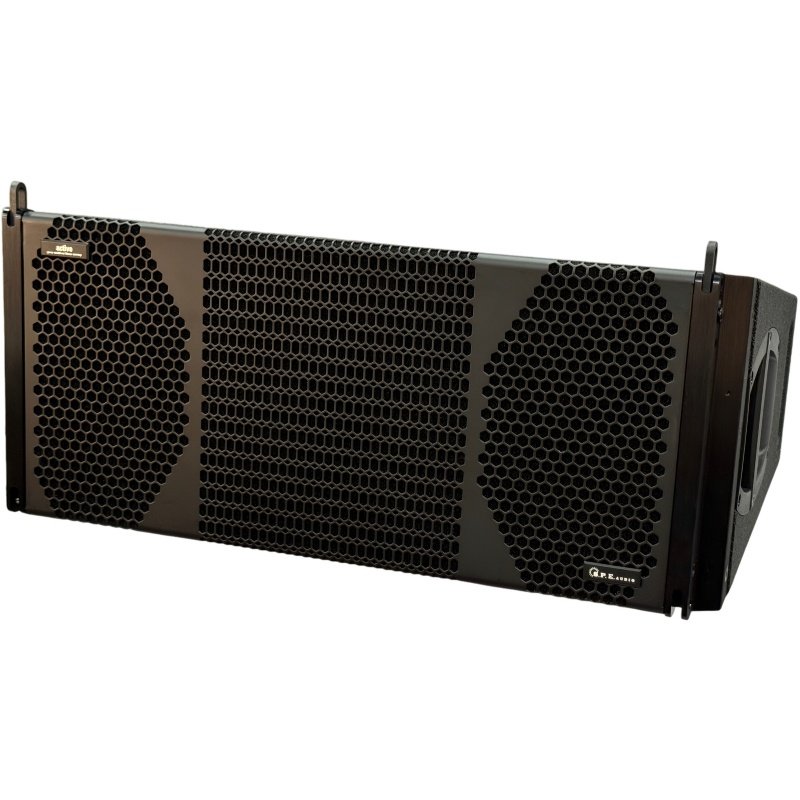
The second image is placed here because it supports the decision under this heading, not because every heading needs decoration. Keep the alt text descriptive and keep the media ID tied to the post record so a later editor can replace it without losing the audit trail.
For the final review, use a second deep SPE reference in the paragraph where the product family, component or application is actually discussed. Close with QSC resources only when that source supports the final claim; otherwise replace it with a closer primary source during the next content audit.
The buyer should leave the article with one next action: send a room drawing, confirm the I/O list, approve a sample, request a compliance file, book a measurement or ask for a spare-parts schedule. That action is more useful than a generic “contact us” paragraph because it tells the supplier what information is needed to produce a comparable response.
The practical value of the guide is its traceability. Someone who did not write the original RFQ should be able to identify the chosen model, the comparison criteria, the evidence received and the next inspection point. That is how an article becomes useful to engineering and purchasing teams instead of remaining a generic marketing page.
Where a project has a safety or compliance consequence, keep the source scope visible. OSHA and NIOSH noise limits, for example, address occupational exposure and should not be presented as a universal concert or audience limit. The same rule applies to CE documentation, network compatibility and manufacturer performance claims: state the boundary and link to the supporting source.
Keep the final table and the supplier reply together. When a later buyer asks why a model was chosen, the answer should be visible in the same record: application, evidence, open assumption, responsible owner and next action. That small habit reduces rework and makes repeat purchasing more consistent.
If the information is not available yet, say so plainly. “To be confirmed by the supplier” is more trustworthy than a precise-looking figure with no test condition. It also gives the next person a clear task and prevents an old assumption from being copied into a new quotation.
Additional buyer checks
When a buyer receives two quotations for How to Specify Line-Array Splay Angles for a Venue Tender, compare the evidence package as well as the equipment list. Request prediction file, rigging drawing and measurement record. If one supplier gives only a brochure while another provides a drawing, test condition and revision record, the second response is easier to approve and easier to defend when the project is audited later.
Do not turn a manufacturer claim into a guaranteed project result. A datasheet value has a measurement method, tolerance, bandwidth, distance or operating condition behind it. Record those conditions beside the number. If the condition is missing, write “supplier confirmation required” and keep the figure out of the acceptance promise until the test method is agreed.
The purchasing team should also ask what is not included. Cables, brackets, network switches, DSP licences, presets, weather protection, spare drivers and training can sit outside a short product quote. Listing exclusions early makes the total project cost more comparable and reduces the chance that an integrator discovers an essential item after the purchase order is released.
RFQ checklist
RFQ checklist should be recorded as a short project note: model and revision, evidence requested, responsible owner, date, open assumption and next action. If a result depends on a room measurement, factory inspection or current compliance file, leave it open until the evidence is received rather than turning an assumption into a claim.
Send SPE Audio the application, quantity, target market, installation or touring conditions, power standard, branding needs and required documents. That brief gives the supplier enough context to return a comparable proposal without forcing a buyer to interpret generic marketing copy.